Photo essay · Jun 18, 2026 · 4 min read
Karim Iliya and the art of meeting a whale
The award-winning ocean photographer on documenting humpbacks and sperm whales — and the small, careful trips he runs to put others in the water beside them.
By Sascha Mombartz
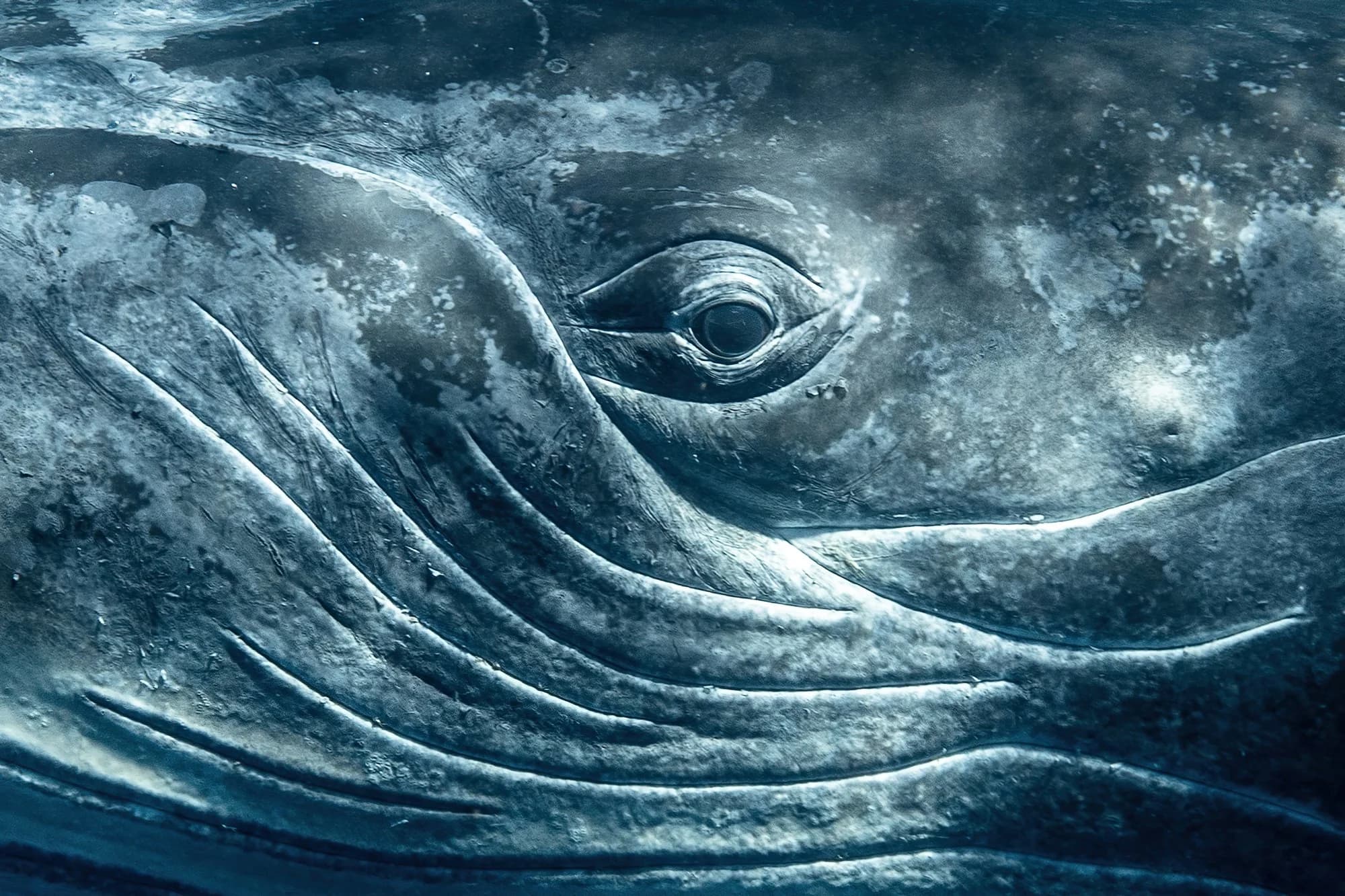
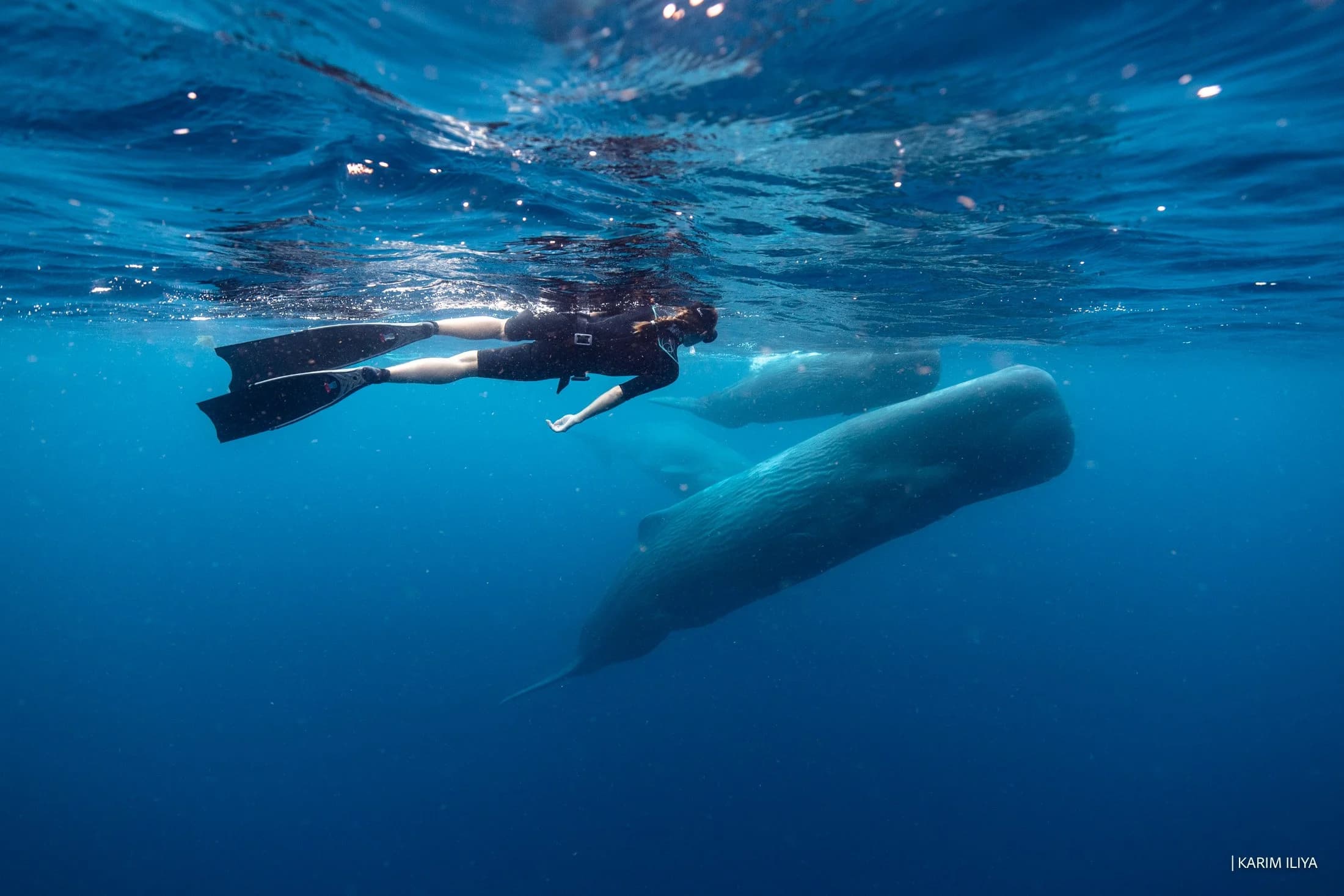
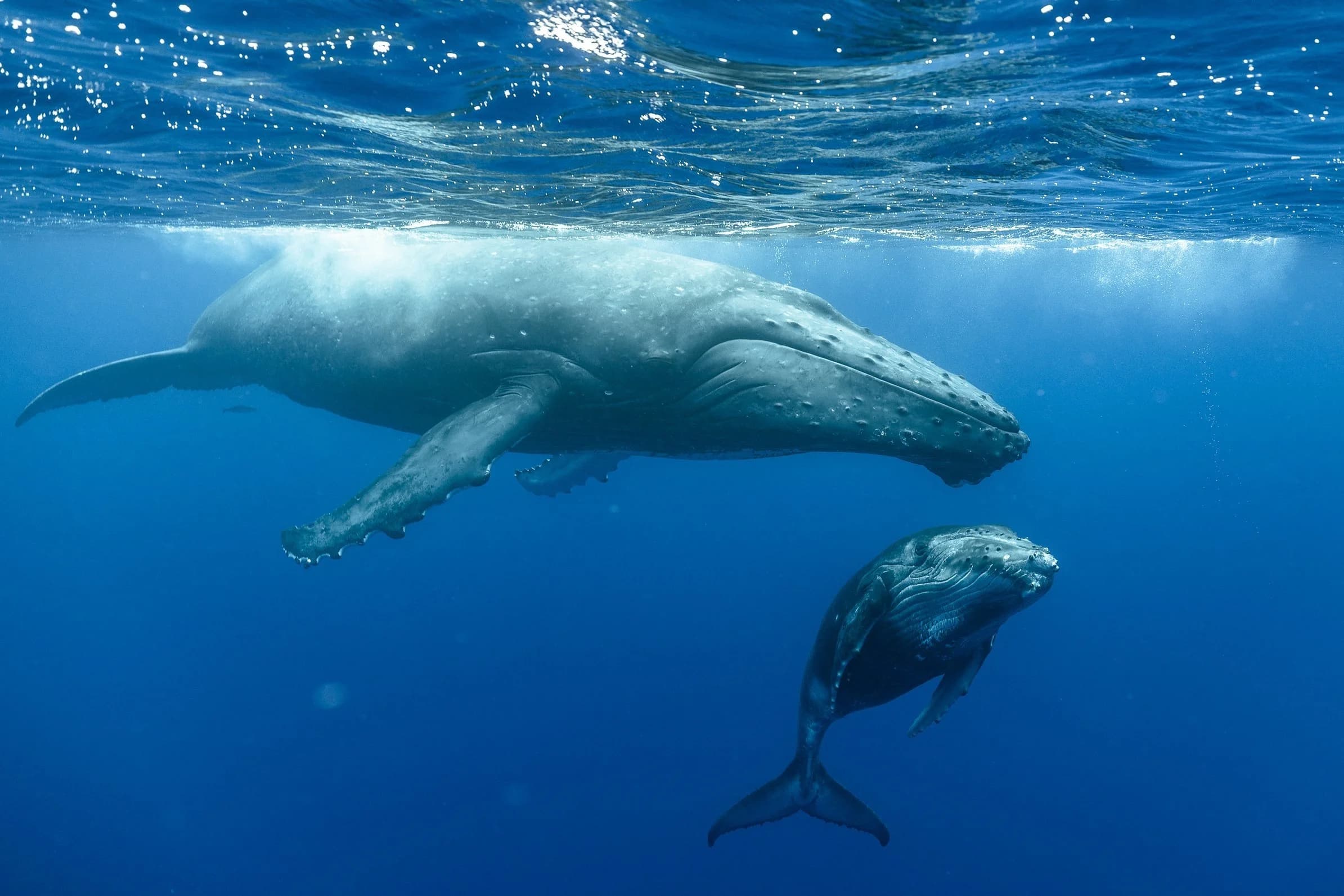
Karim Iliya makes his living in the few feet of blue water between a person and a whale. A photographer and filmmaker based between Iceland and Hawaii, he has worked in more than 45 countries, photographed humpbacks for National Geographic, and shot underwater video for BBC Earth. But the work he keeps coming back to is quieter than any of those credits suggest: holding his breath, staying still, and letting an animal the size of a bus decide how close it wants to come.
From volcanoes to the deep
Iliya grew up in the Middle East and Asia and came to photography sideways — by his own account he was a terrible draftsman who found a camera to be a better way of paying attention. It carried him to the edges of erupting volcanoes, into the ice of the Arctic, and eventually underwater, where he found the subject that would define his career. His images have won the Underwater Photographer of the Year behavior category, a Hasselblad Masters award, and a string of ocean and nature prizes; in 2021 he was selected for the (later cancelled) dearMoon mission, which would have made him the first photographer sent around the Moon.
Underpinning the wildlife work is a conservation motive. Iliya co-founded Kogia, a nonprofit media library that gives ocean photography and film to small conservation groups, scientists, and activists for free — the idea being that the footage is most useful when it is working to protect the animals in it.
The trips
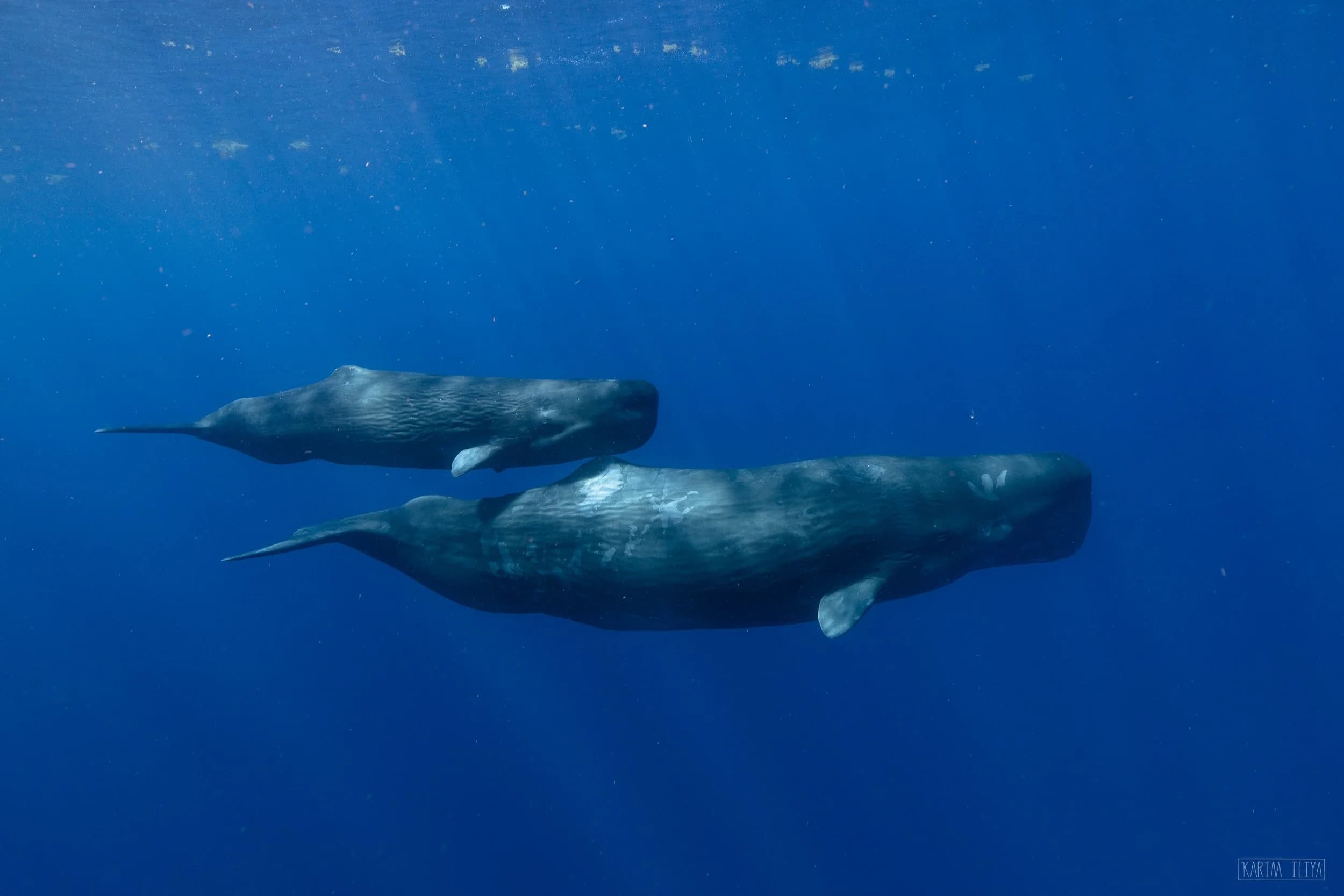
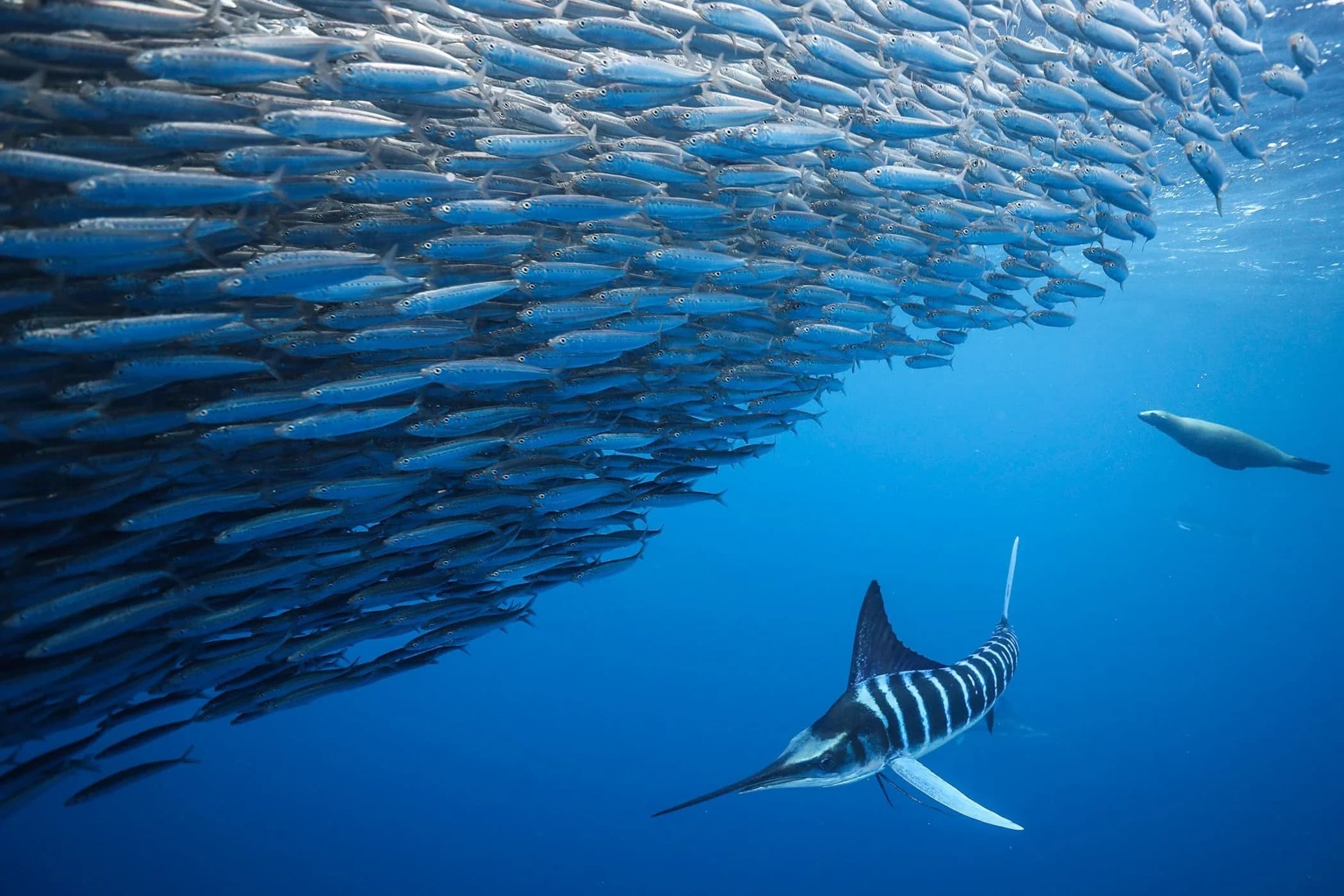
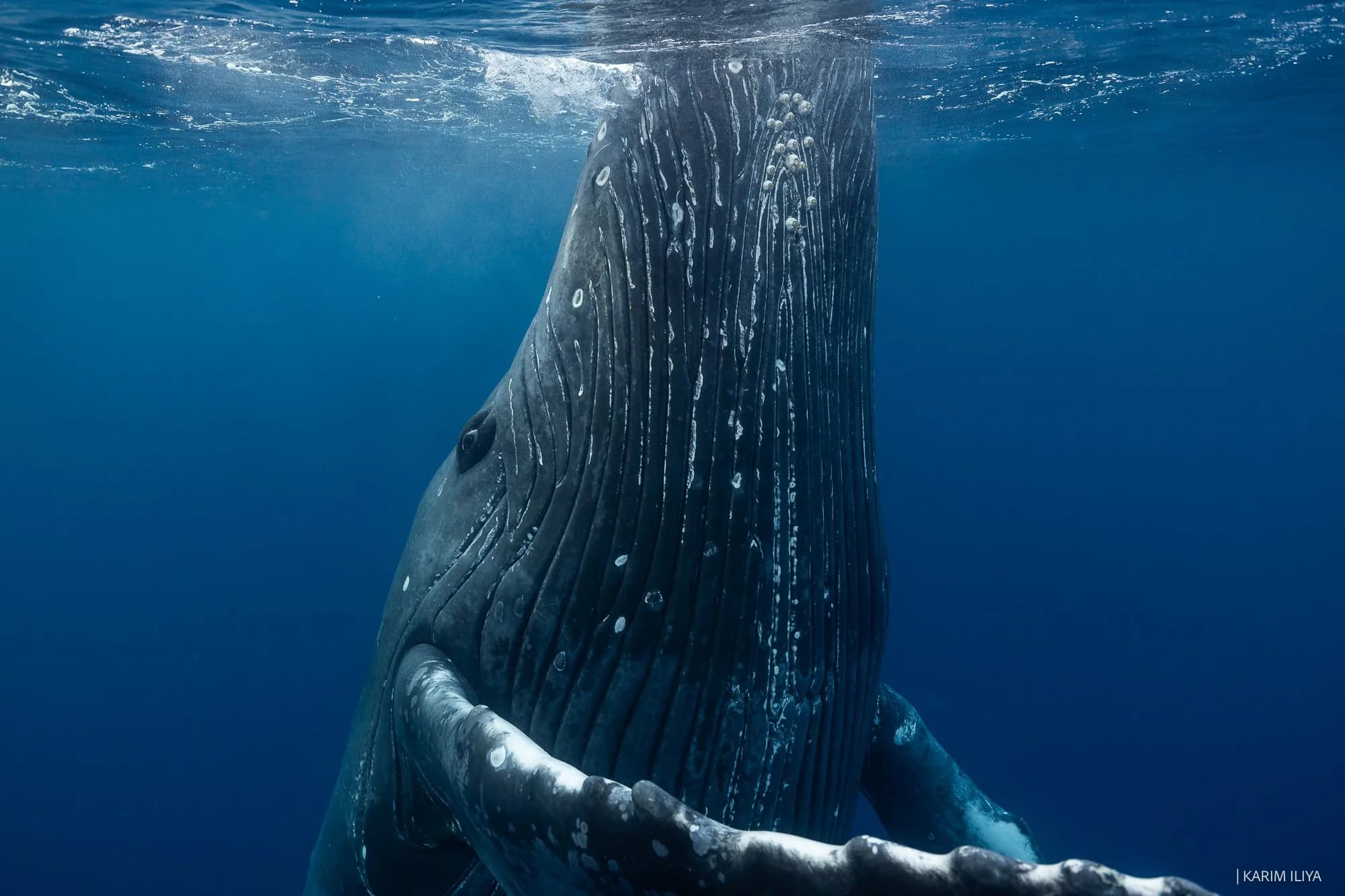
In 2017 Iliya started taking other people into the water with him. The operation — Dance with Whales, found at swimwithwhales.com — now runs small expeditions to swim with humpbacks in Tonga and French Polynesia, sperm whales in Dominica, and striped marlin and sea lions in Mexico's Magdalena Bay.
The format is deliberately modest. Groups are kept to six to eight people. There is no scuba and no certification required — you snorkel, and freedive only if and when it makes sense. Trips are all-inclusive of accommodation, boats, guides, crew, and meals; you bring your own flights and snorkel gear. As the team is careful to note, these are wildlife encounters, not photo workshops: the whales come first.